

Winter Park Small Stream Trout
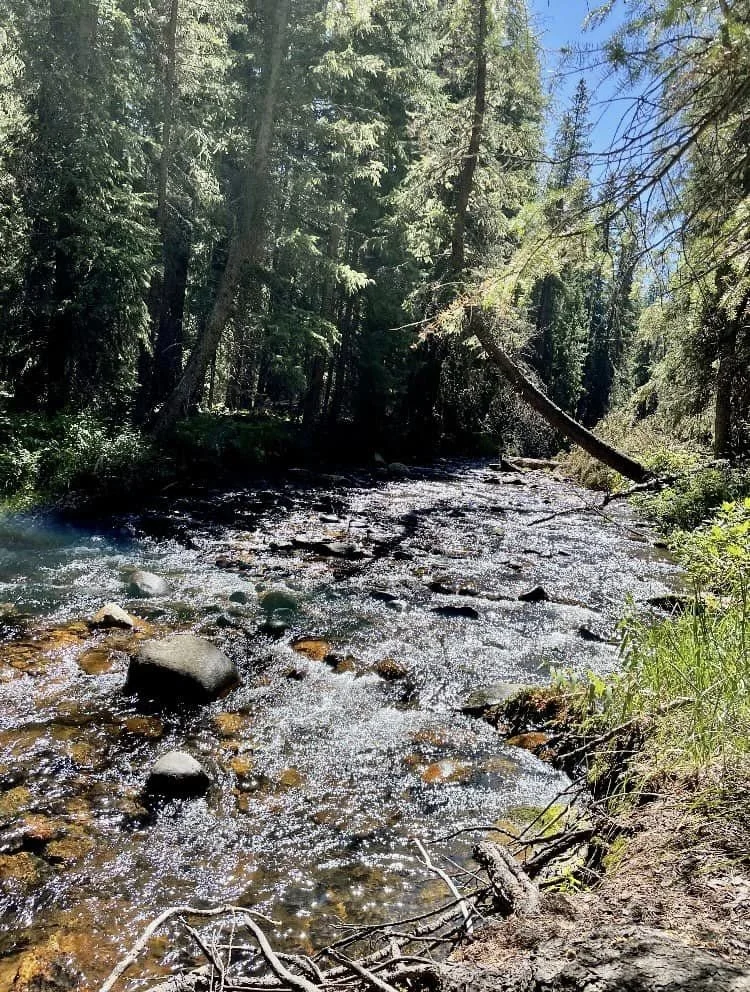
Every year I'm allowed on this earth it becomes more clear to me the benefit of travel. It renews your soul in a way few other pursuits can. What's gained in exchange for your time and treasure are the connections made, lessons learned, perspective, and experiences that can change your life. As a lifelong lover of the outdoors, fly fishing for trout in Colorado for the first time in 2017 was beyond amazing. For decades I've foolishly put this off because the sport appeared expensive to me, especially hiring a guide.
I’ve been lucky enough to return twice since and can share a few nuggets learned from guides as well as a couple of solo successes on the Fraser River.
Spring Runoff
What I learned one morning from my guide Mitch with two simple words has in many ways changed my life.
"I Wonder"

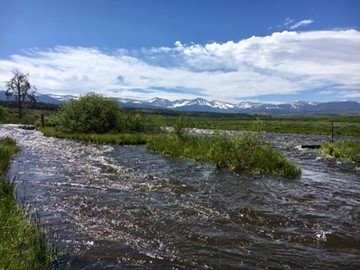
The Fraser River levels in Winter Park fluctuate and can rise significantly during the spring and early summer runoff. This June day was one of the few so far that year where temperatures were above freezing the night before. The river swelled and made the fishing challenging but at the same time presented opportunity to a newbie like me. To catch browns and rainbows sub-surface in dingy water would mean my awful casting skills and presentation could still be productive.
My guide Mitch drove me to this private land owner's property where he has guided countless anglers of varying skill and temperaments. His patience was off the charts as I tried to undo a lifetime of conventional fishing habits that didn't translate well to fly casting. Carefully crossing the below section of river, he tells me his ethos as a fishing guide. What follows is what I recall while trying to not slip on those mossy rocks.
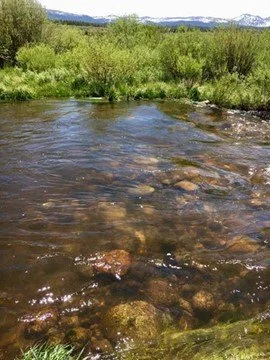
"I wonder. I constantly think like a fish. How would I get the most value for the least amount of effort. I've got to be efficient and smart because life in the river for a fish is not a buffet line. As a guide, yesterday's best hole producing these fish may no longer be reached wading. The eddies, the slow spots beside the current, they’re never the same. Each day is blank slate so while I've fished this same river for decades, the nuances are endless and you must adapt to be successful."
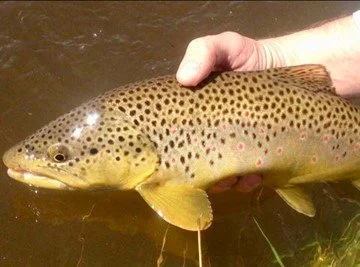
Next we fished an oxbow where another section of stream cut through with a narrow, slow-moving stretch. We drifted at least a dozen times before a brown came up to hit my yellow strike indicator instead of the nymph. "I've not seen that yet but now I've got a couple of yellow pattern ideas to try next time." We switched to a dry fly for about 15 casts to get that riser. With no luck, we decided to move upstream but before heading out, figured we'd try one more time. "I wonder if we try a couple more drifts with that nymph but this time get right along that bank overhang ." The result was the below brown and rainbow trout.
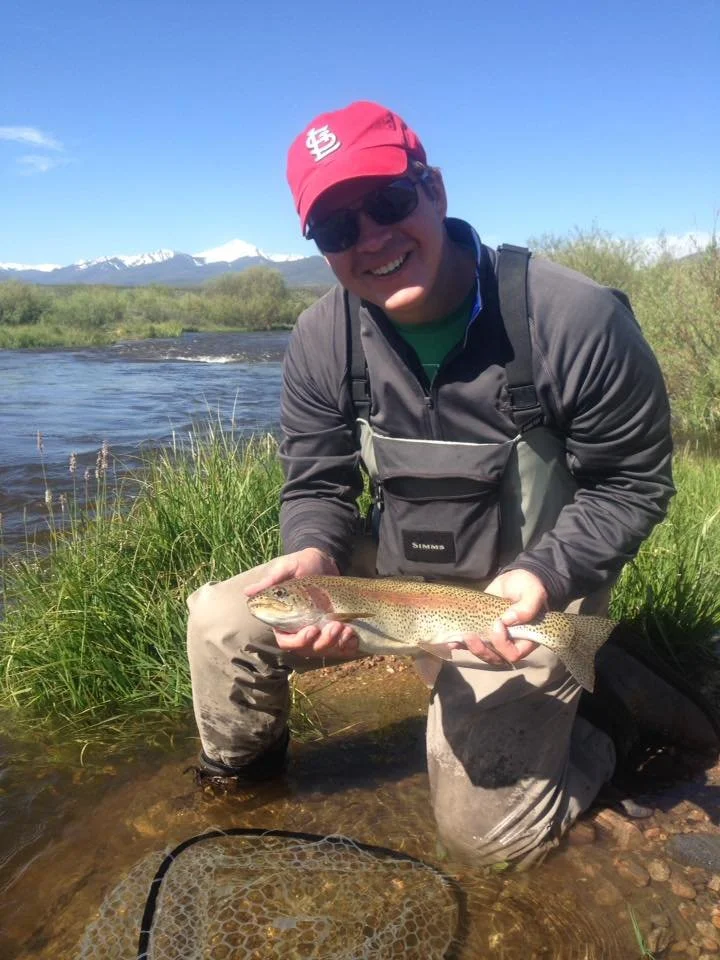
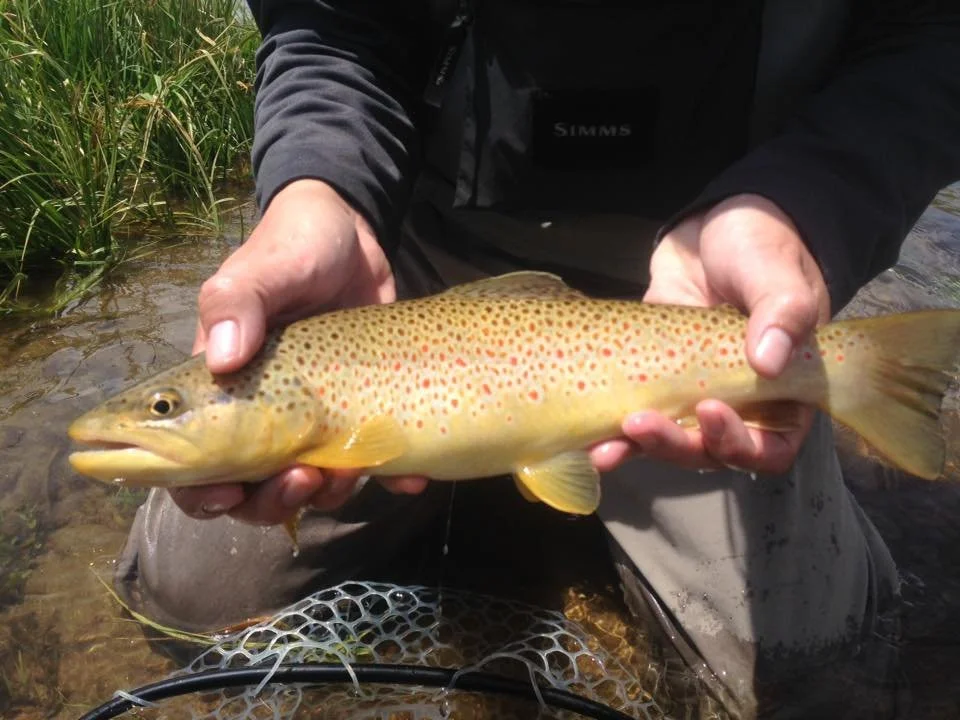
The fishing was awesome and a great memory but not just an experience to file away in a photo album. It's stuck with me.
Summer Skinny Water
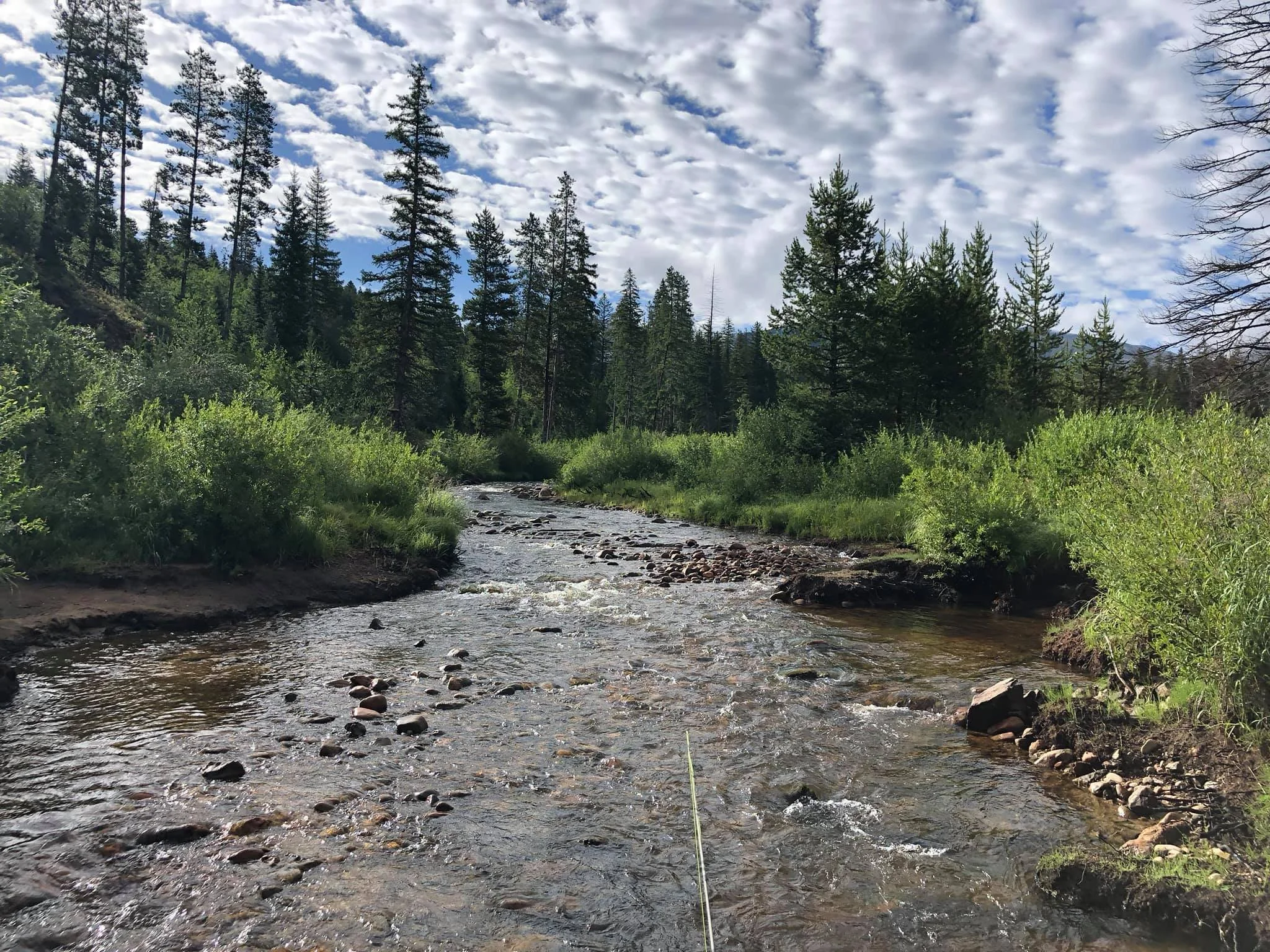
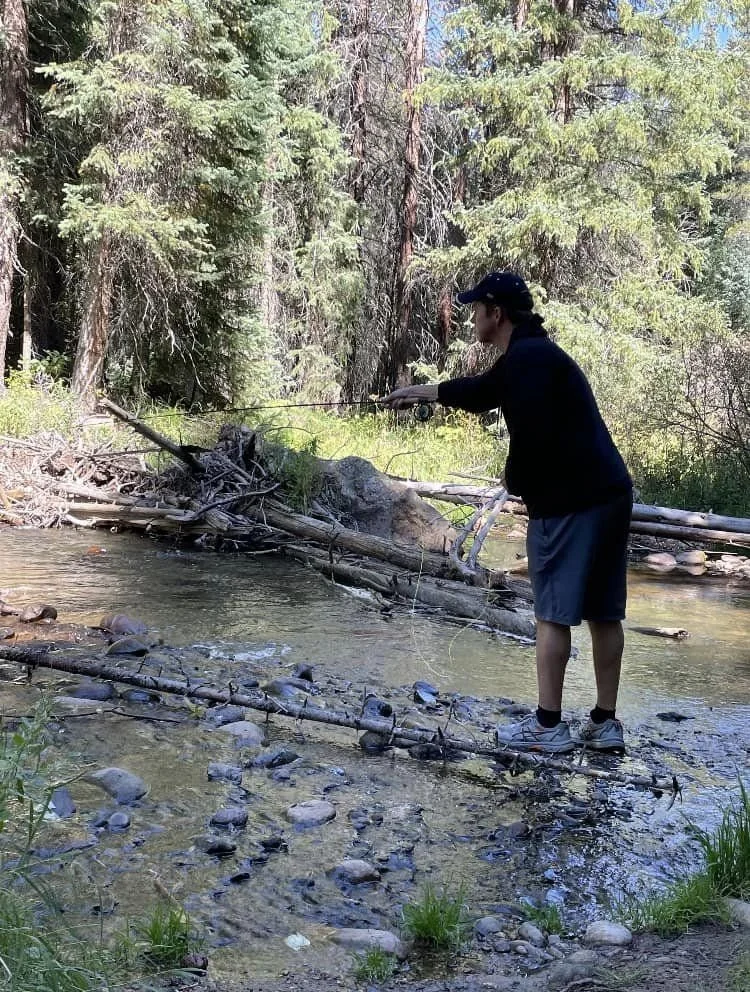
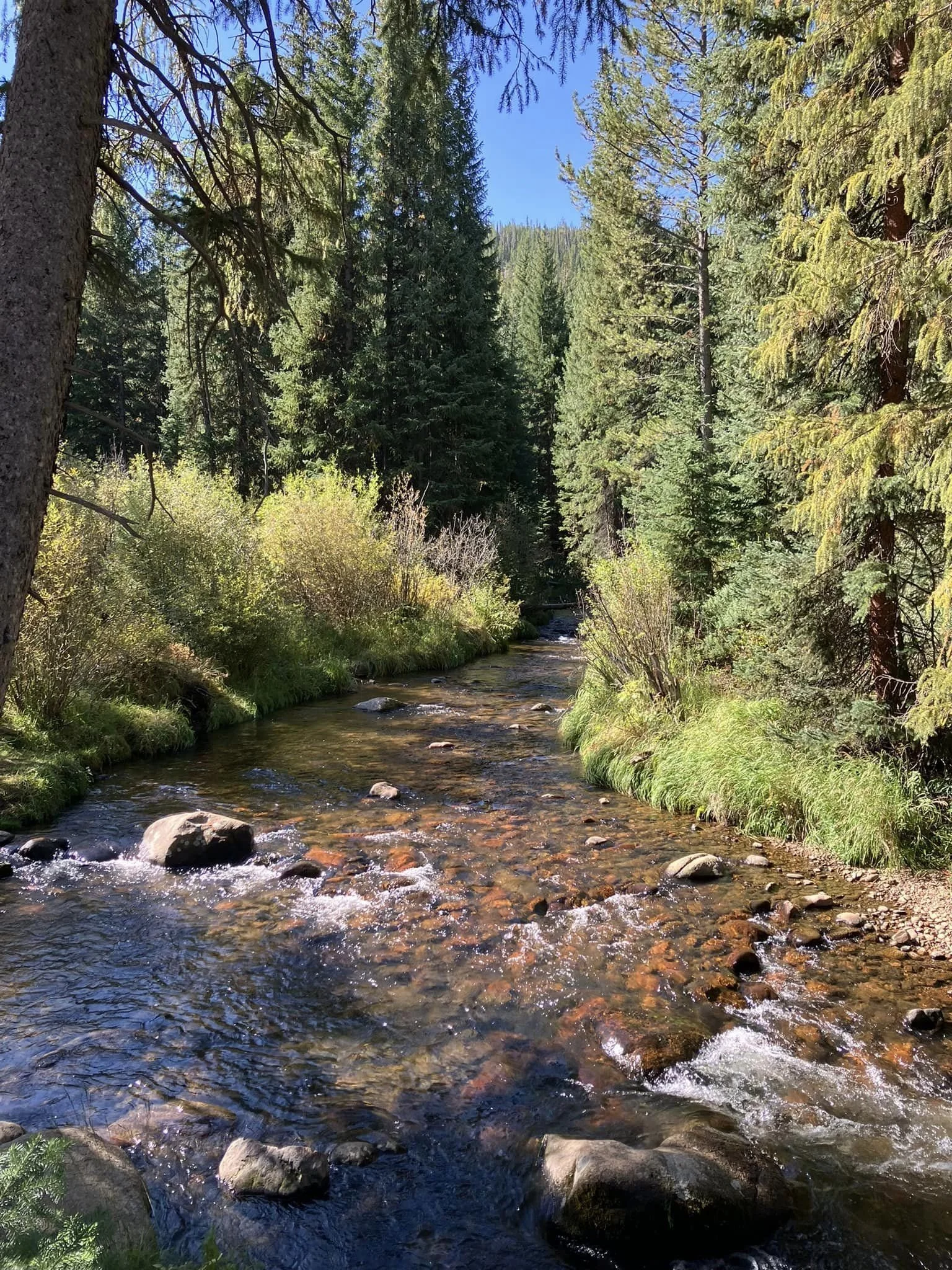
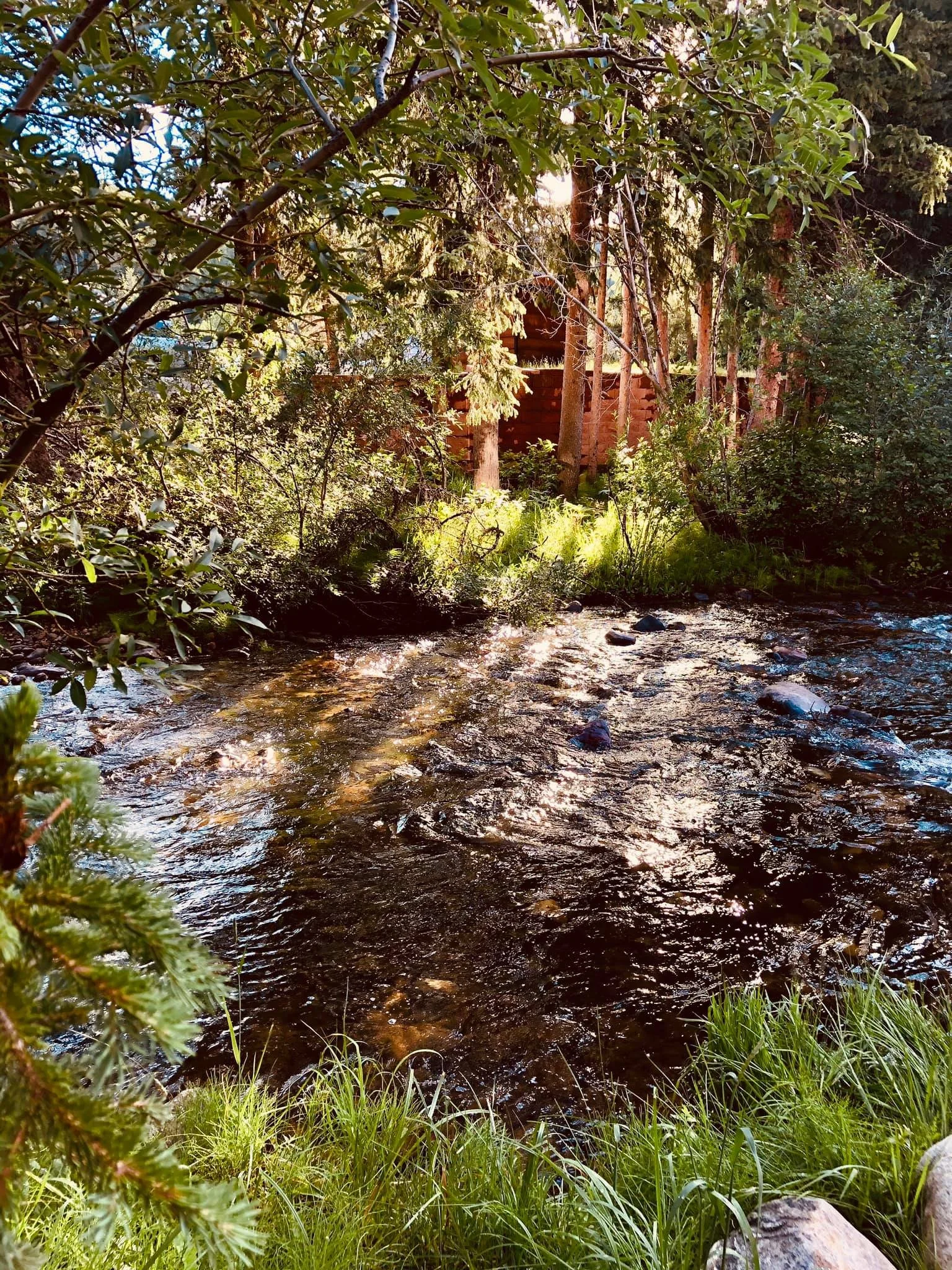
In subsequent visits I was able to fly fish the Fraser in late July and Labor Day weekend. These stretches of the Fraser look so skinny, you wouldn’t think anything substantial could inhabit those waters. I learned otherwise utilizing a few very simple techniques to catch brook and rainbow trout.
Dry Flies
Nymphs
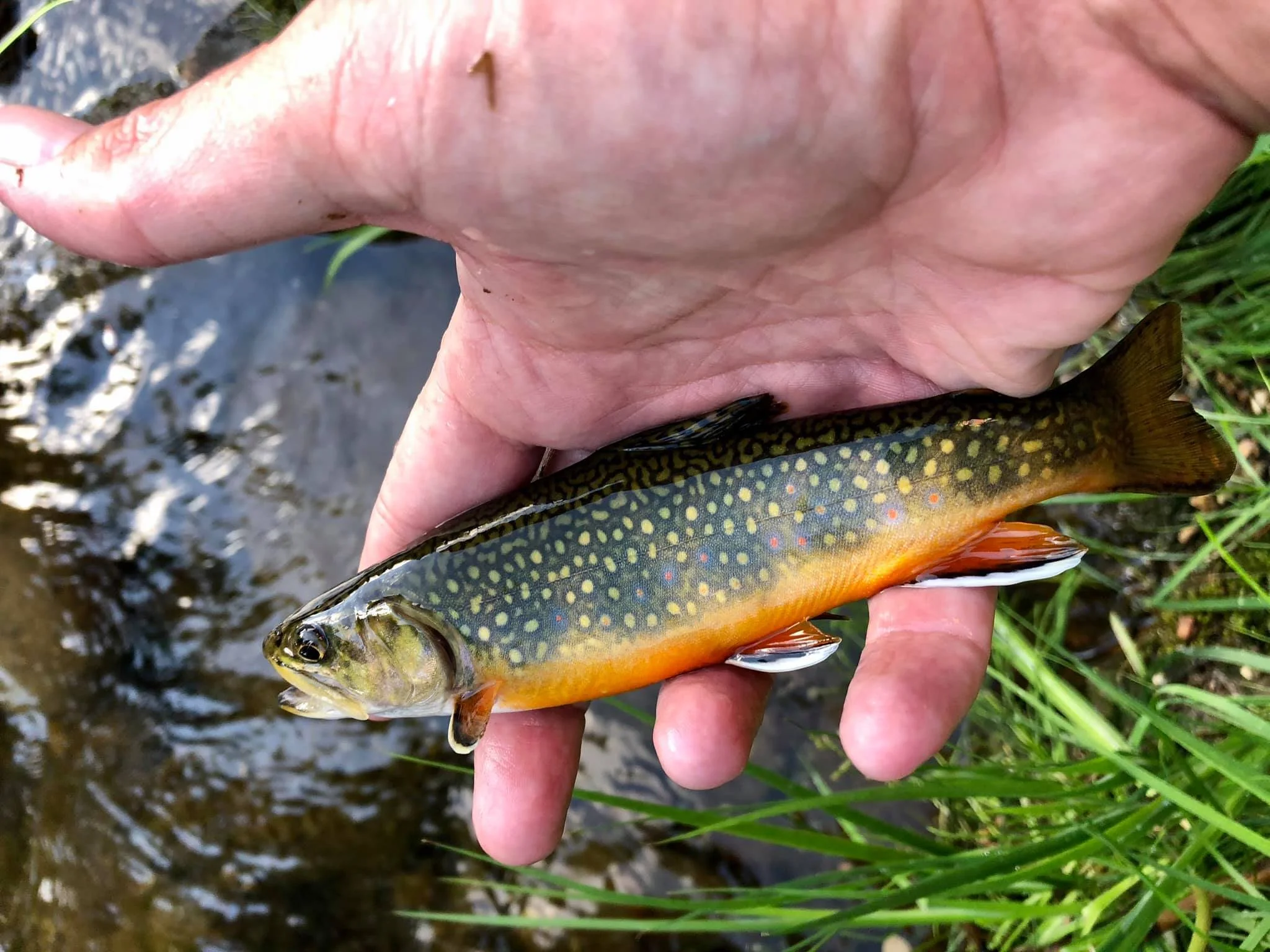
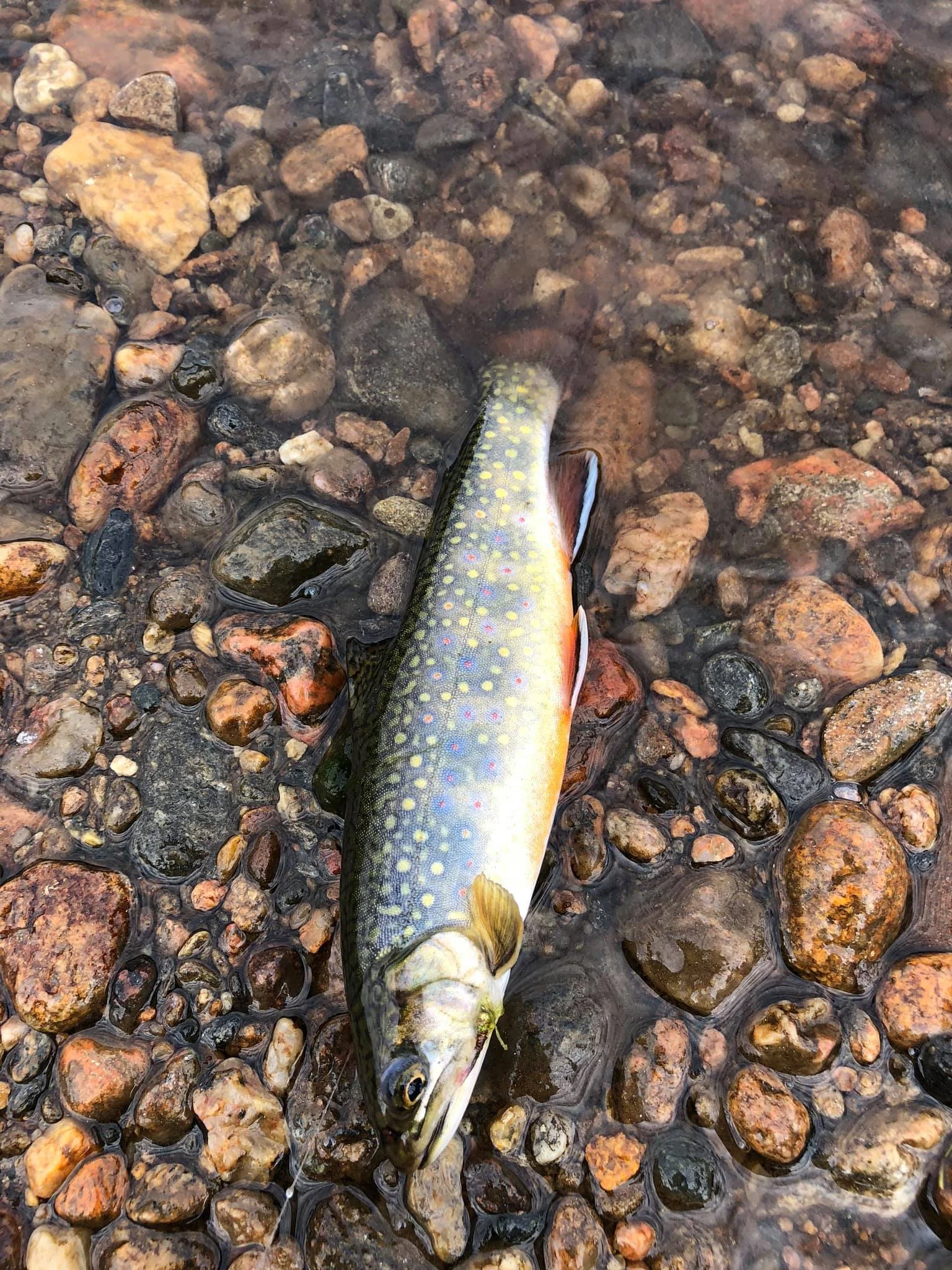
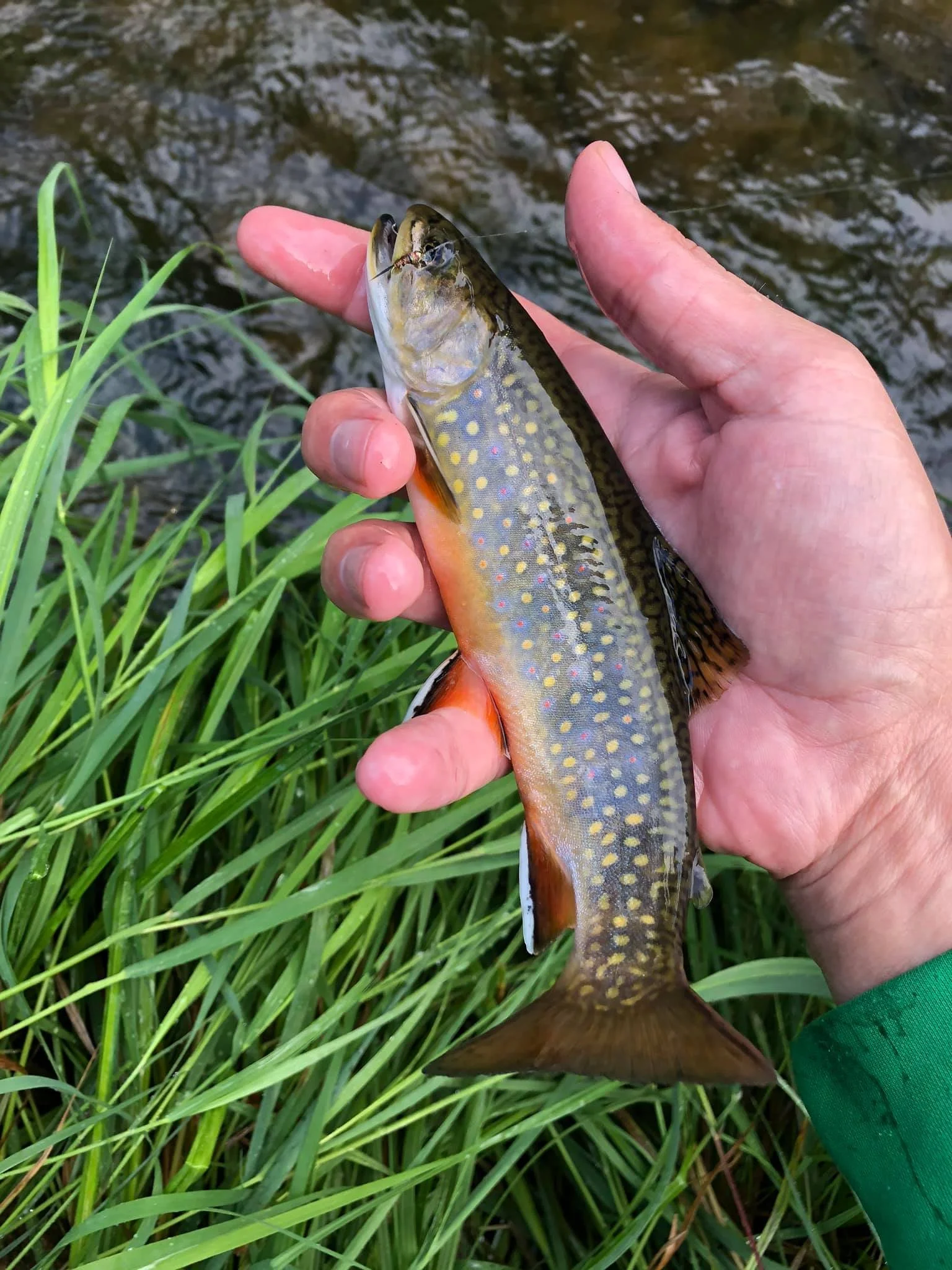

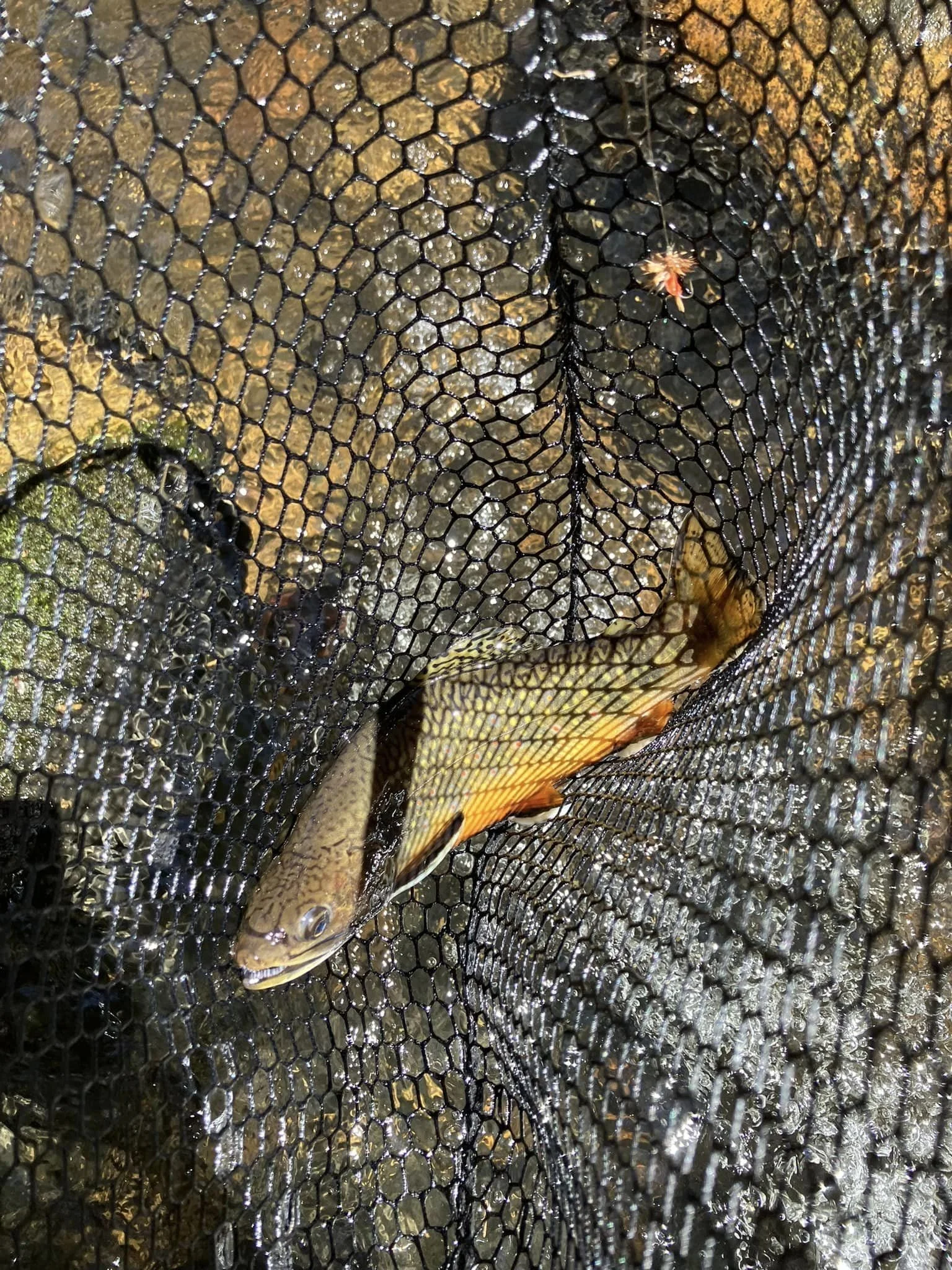
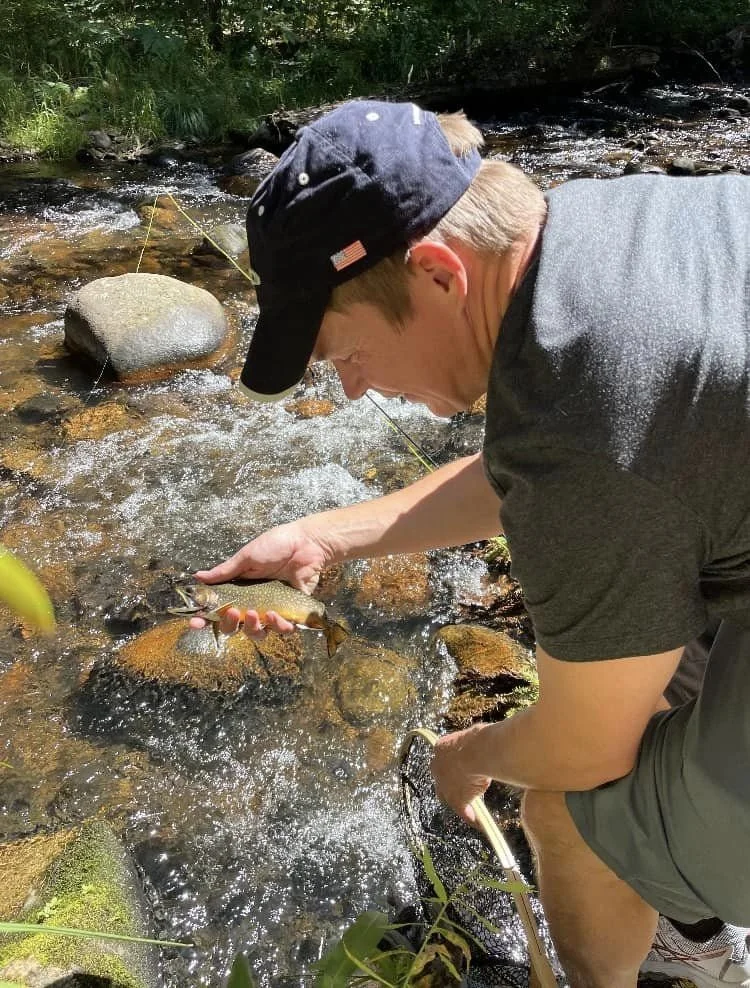
In the deeper pockets I was able to nymph, usually without an indicator, these remarkable brook trout from the Fraser River. Preferred patterns included the Guides Choice Hares Ear